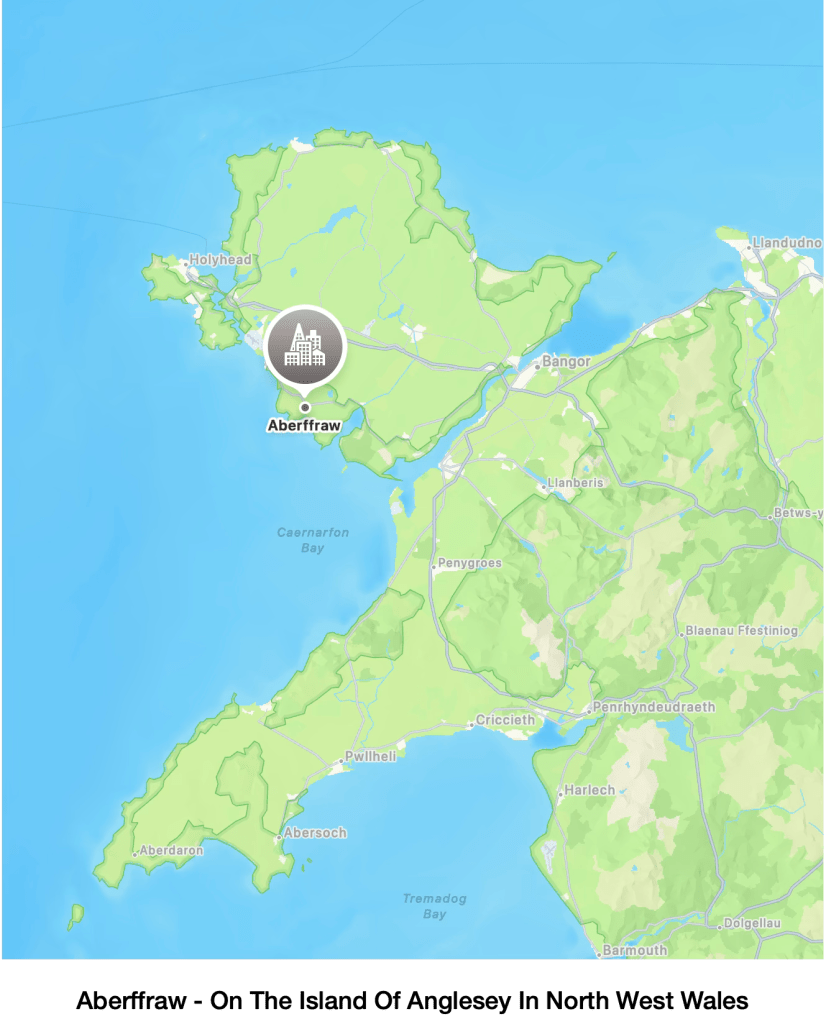
Aberffraw contains one of the oldest Mesolithic sites from prehistoric Wales, dating back around 9,000 years. At Aberffraw Bay is the Trwyn Du (Welsh: Black nose) site. The burial was discovered in 1977 while excavating a Bronze Age bowl barrow from 2000 BC. This dig revealed that the cairn was built on top of a deposit of 7,000 flint tools and two axes from 7000 BC, a few millennia after the last Ice Age. An intact monument near Aberffraw is Din Dryfol, a Neolithic chambered tomb from 3000 BC, and around the banks of the nearby River Gwna are the remains of a stone hut circle and roundhouses, which were lived in during the Welsh Iron Age, around 500 BC.
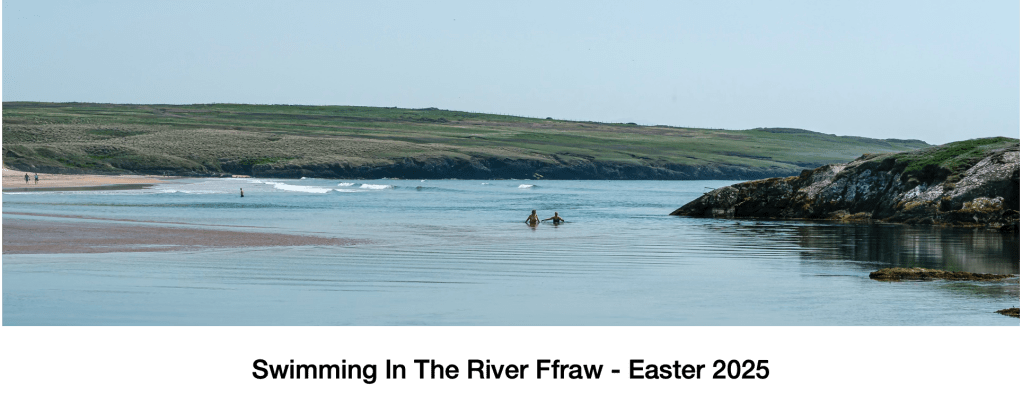
Aberffraw was settled by Cadwallon Lawhir ap Einion who built a palace in the 5th century. Rhodri the Great, the King of Gwynedd rebuilt the residence in the year 873 and firmly established the capital of the Kingdom of Gwynedd
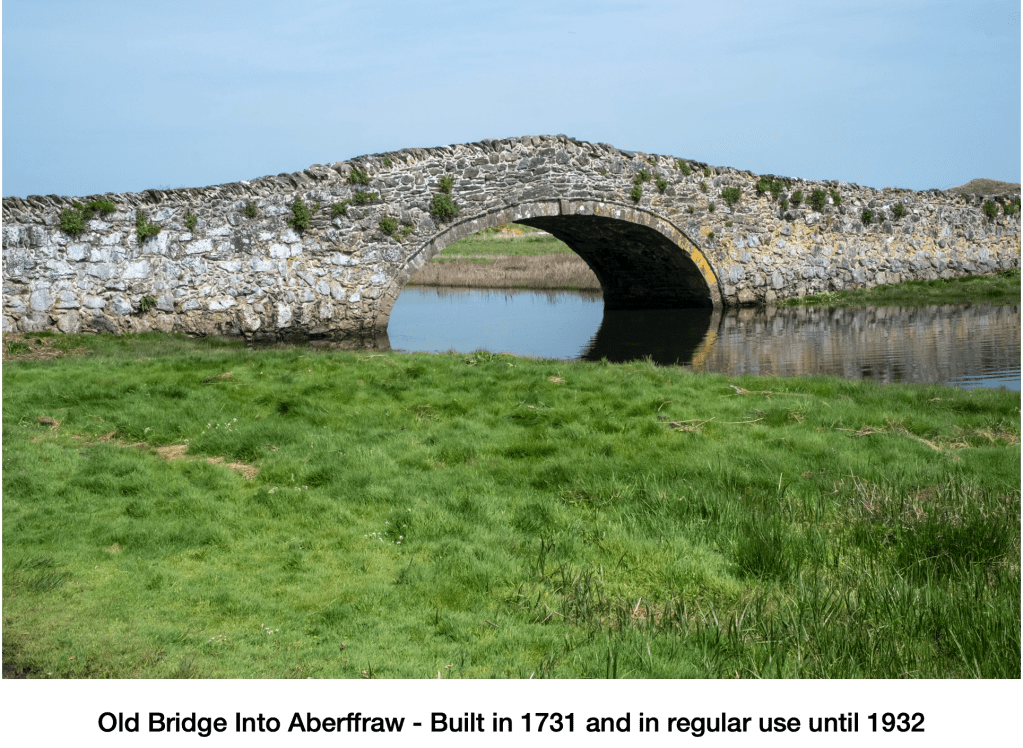
Rhodri’s palace became a royal court, and his son Anarawd ap Rhodri started a new branch called the Royal House of Aberffraw. Anarawd’s descendants ruled Gwynedd for many years and were later known as the Prince of Wales. In 1201, Llywelyn ab Iorwerth restored the palace as a home and set up a team to work like the original royal staff from 914. Prince Llywelyn the Great continued to hold the Royal court at Aberffraw, matching the standards of the nearby English Kingdom. His partner was Joan, daughter of King John of England, who also participated in royal events at Aberffraw for both Welsh and English nobles. Llywelyn updated the rules for the royal staff based on the original laws from 914 for the Aberffraw Royal Palace. This palace served as the main residence for the Prince of Gwynedd since Rhodri the Great’s time.
The household included twelve gentlemen who made up the royal guard and rode horses supplied by the king.
There were 35 court positions:
- The Master of the Palace
- The Domestic Chaplain / The Queen’s Chaplain
- The Steward of the Household / The Steward to the Queen
- The Master of the Hawks
- The Judge of the Palace
- The Master of the Horse / Master of the Horse to the Queen
- The Chamberlain / Queen’s Chamberlain
- The Domestic Bard
- The Officer to Command Silence
- The Master of the Hounds
- The Metheglin (Mead brewer)
- The Physician of the Palace
- The Cup Bearer
- The Door Keeper
- The Cook / The Queen’s Cook
- The Sconce bearer / The Queen’s Sconce bearer
- The Woman of the Queen’s Chamber
- The Door-Keeper to the Queen
- The Groom of the Rein
- The Officer to Support the Prince’s Feet at Banquets
- The Bailiff of the Royal Demesne
- The Apparitor
- The Gate-Keeper
- The Watchmen of the Palace
- The Woodman
- The Baker Woman
- The Palace Smith
- The Laundress
- The Chief of Song
These were the members of the royal household. They had their land through their roles. They received clothing material from the prince and linen from the queen. They were called together by the palace horn.
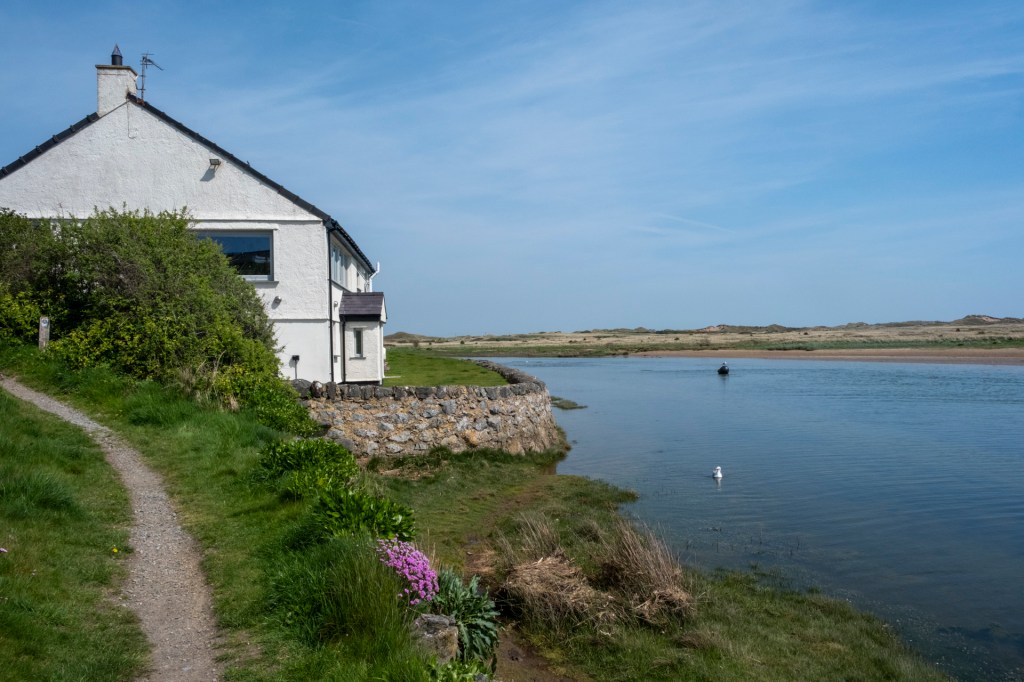
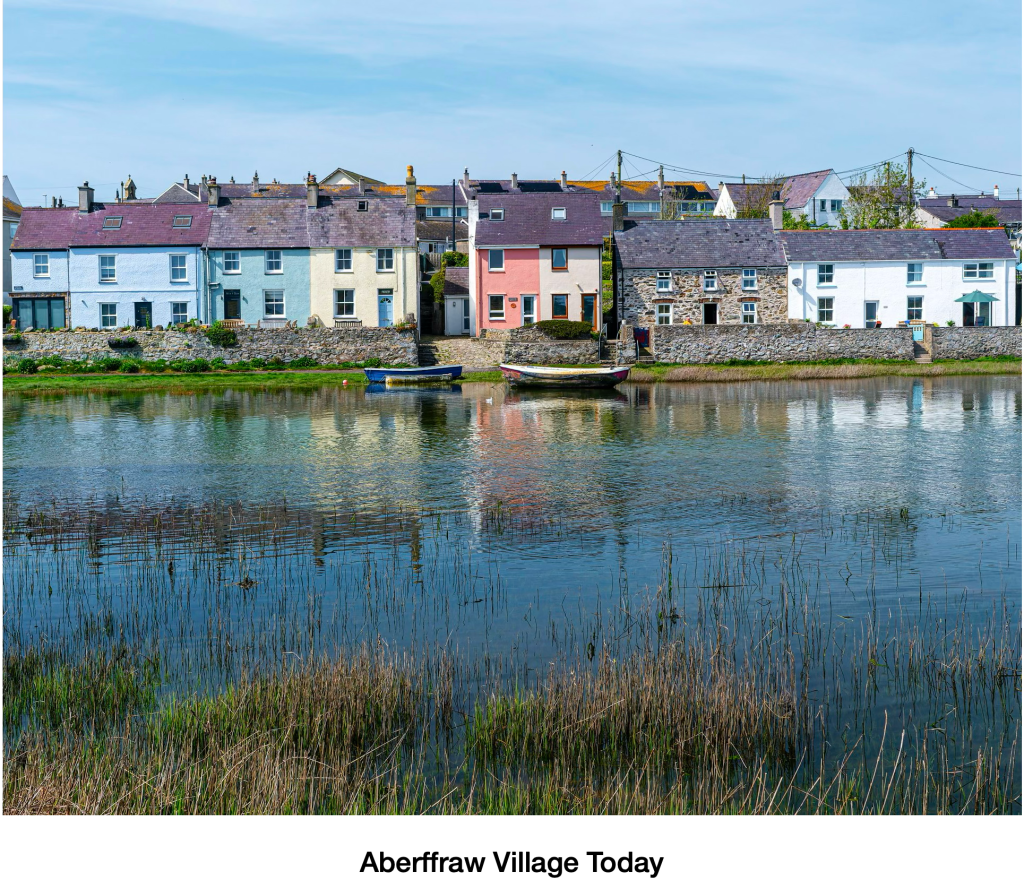
Remote home on the banks of the river Ffraw.
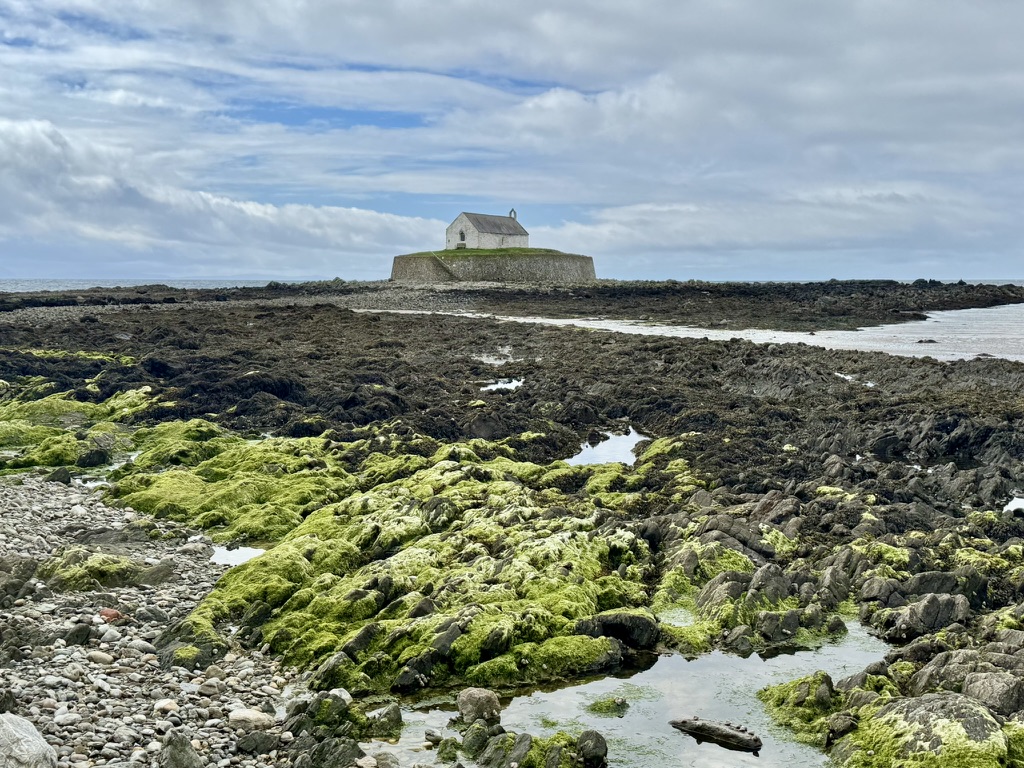
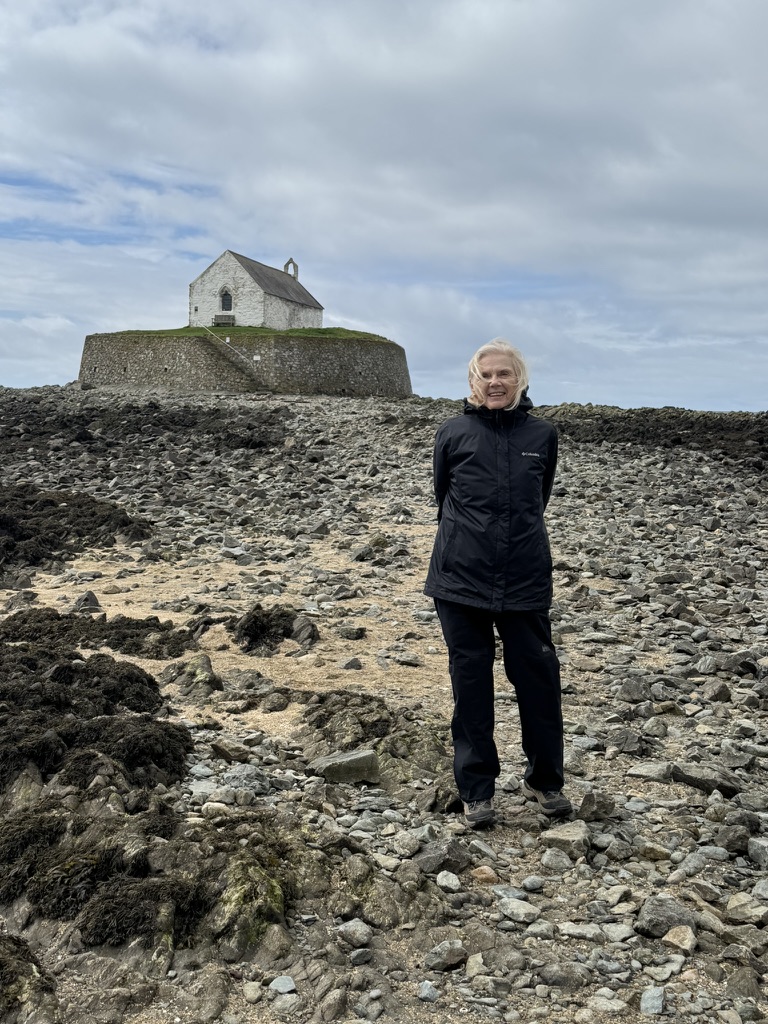
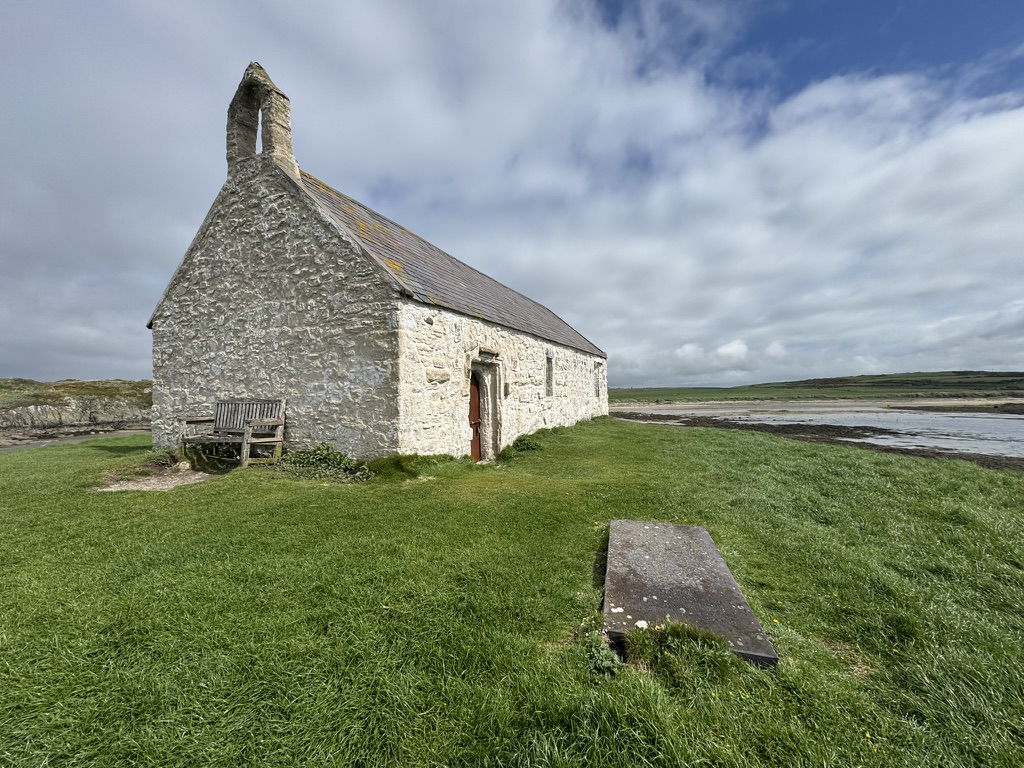
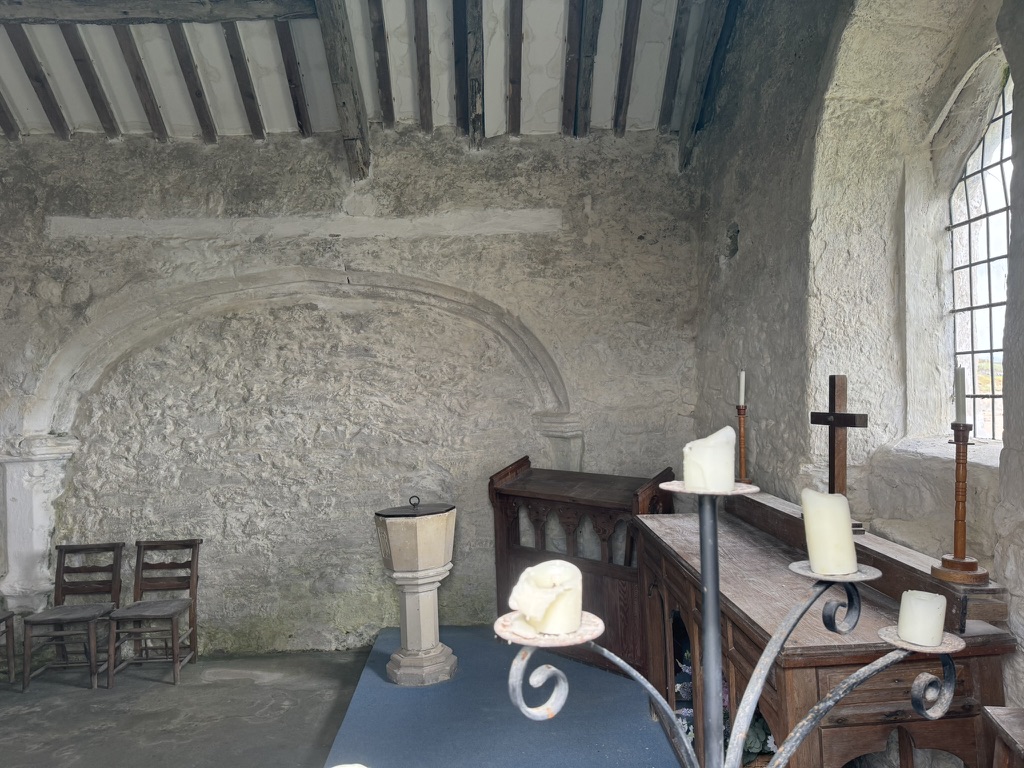
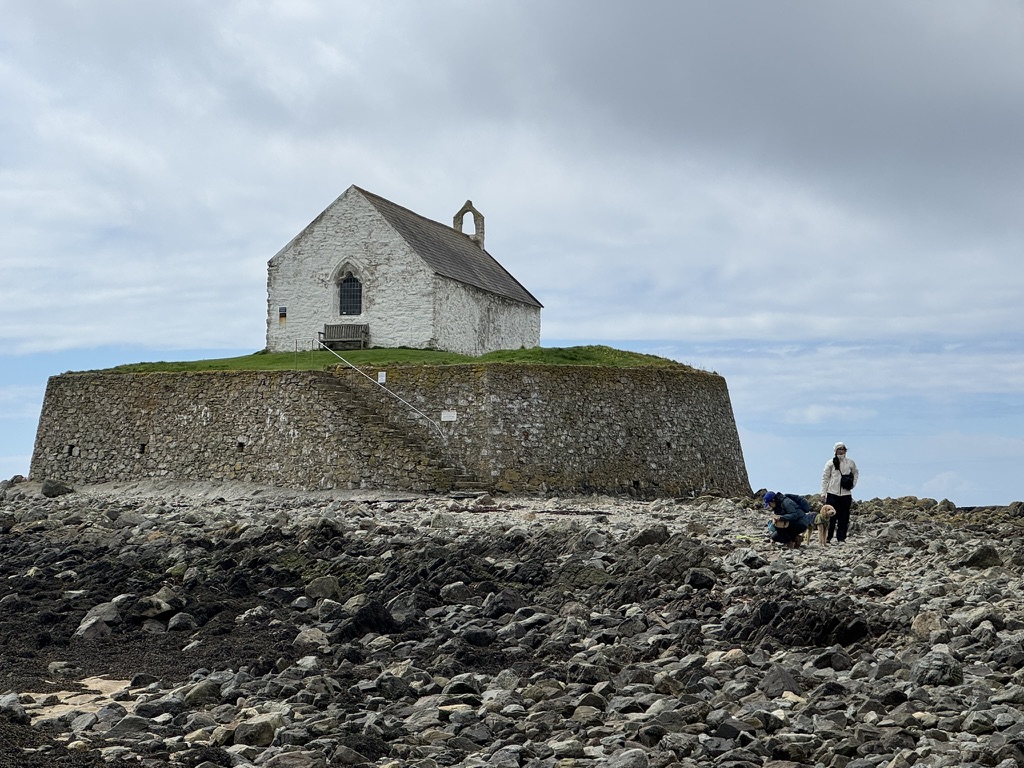
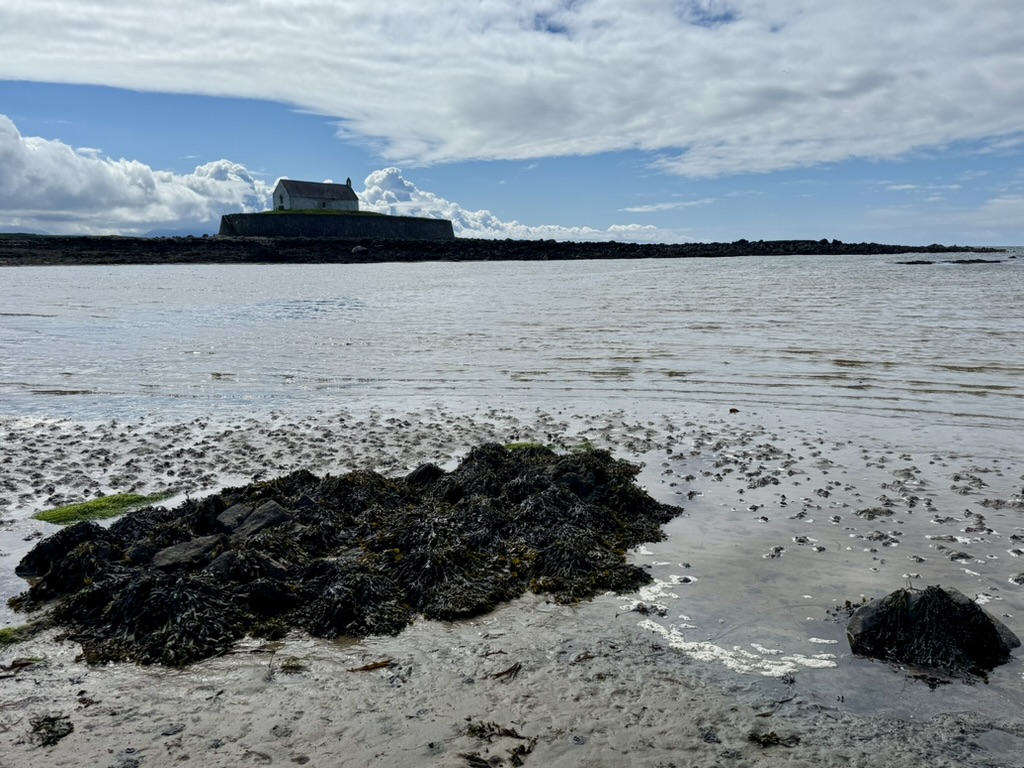
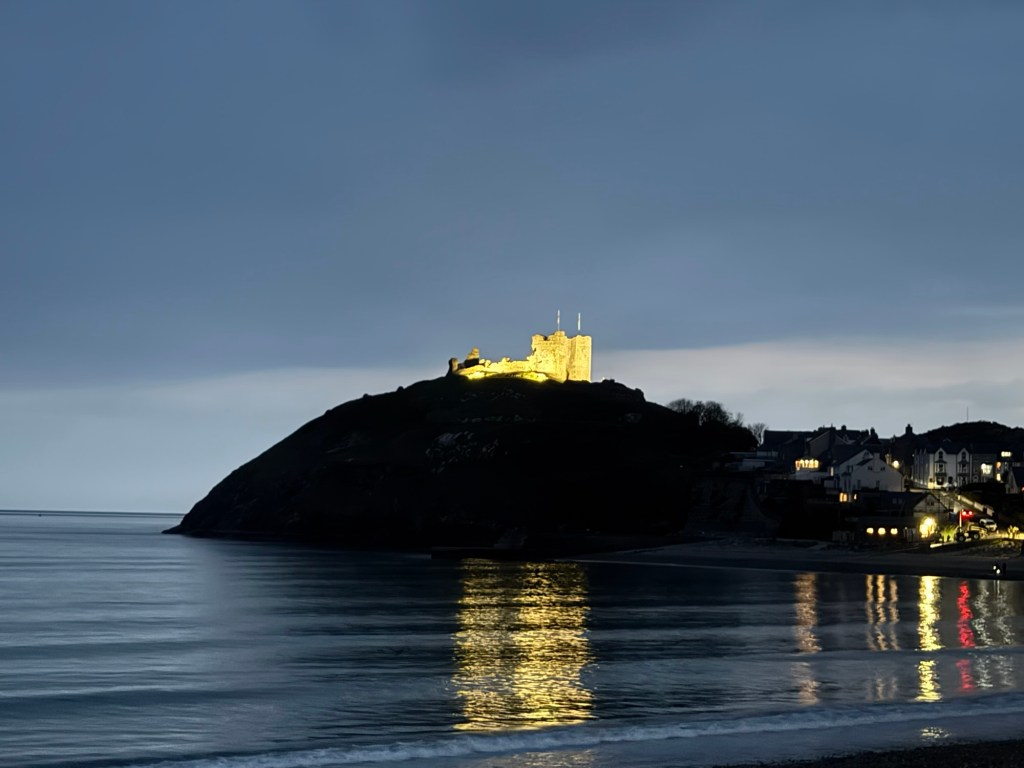
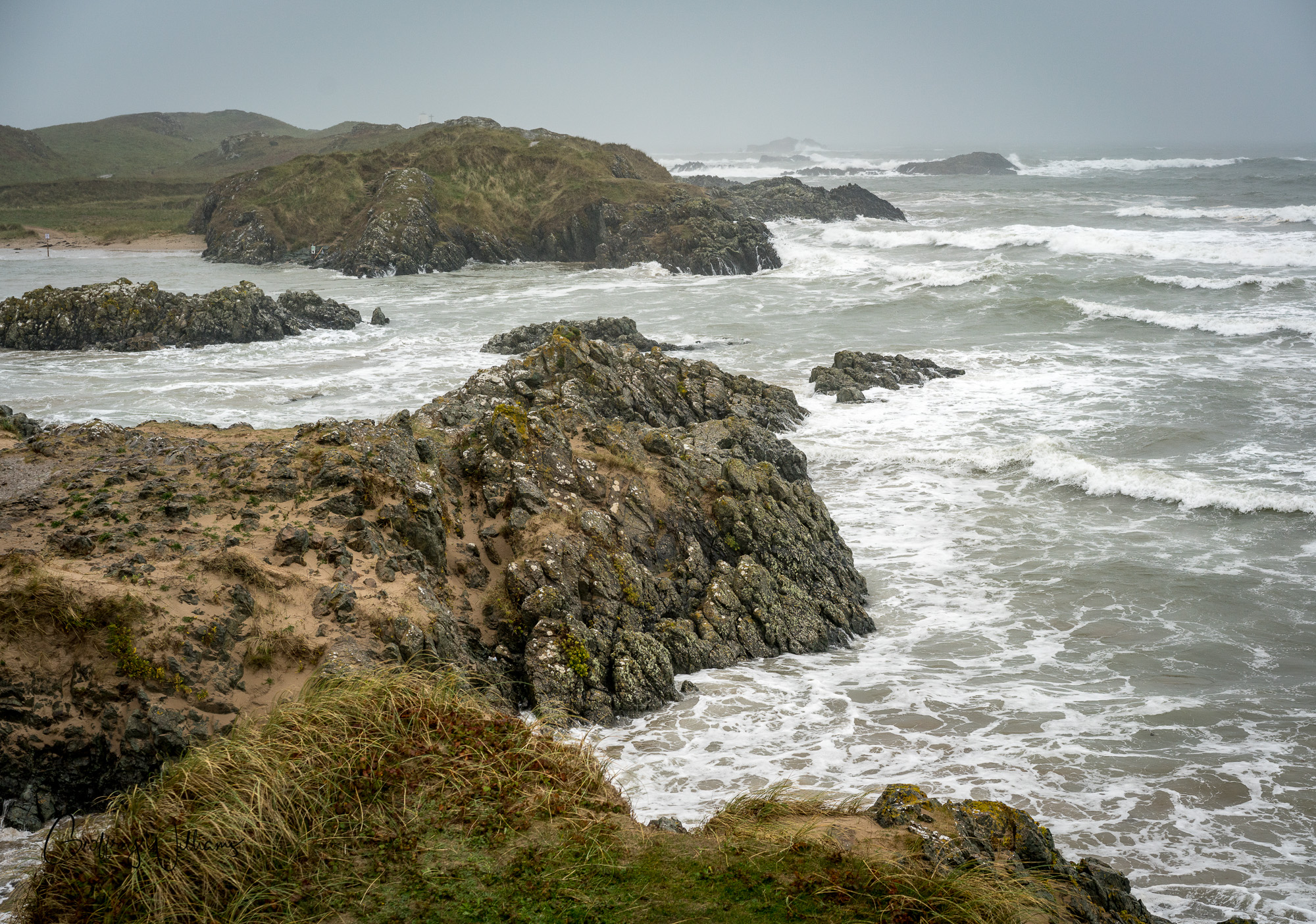
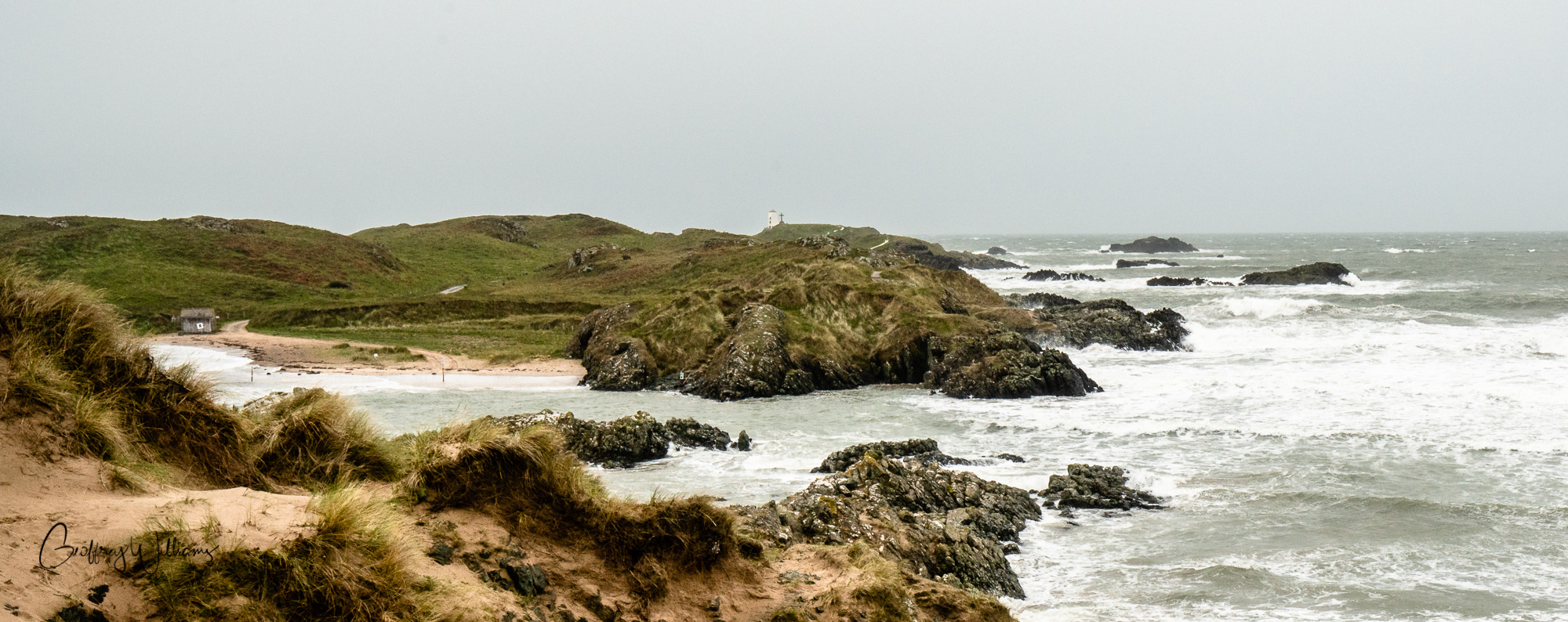
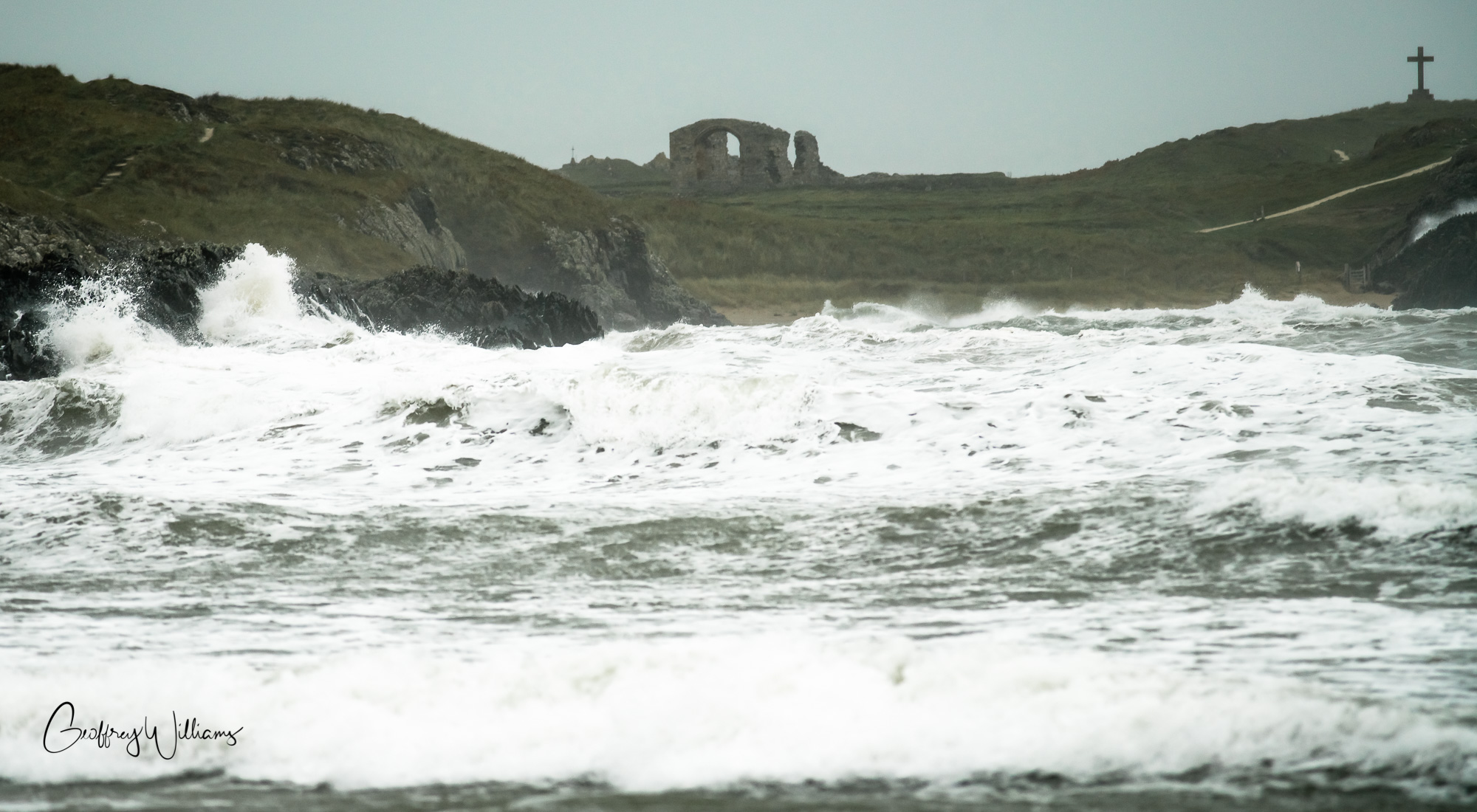
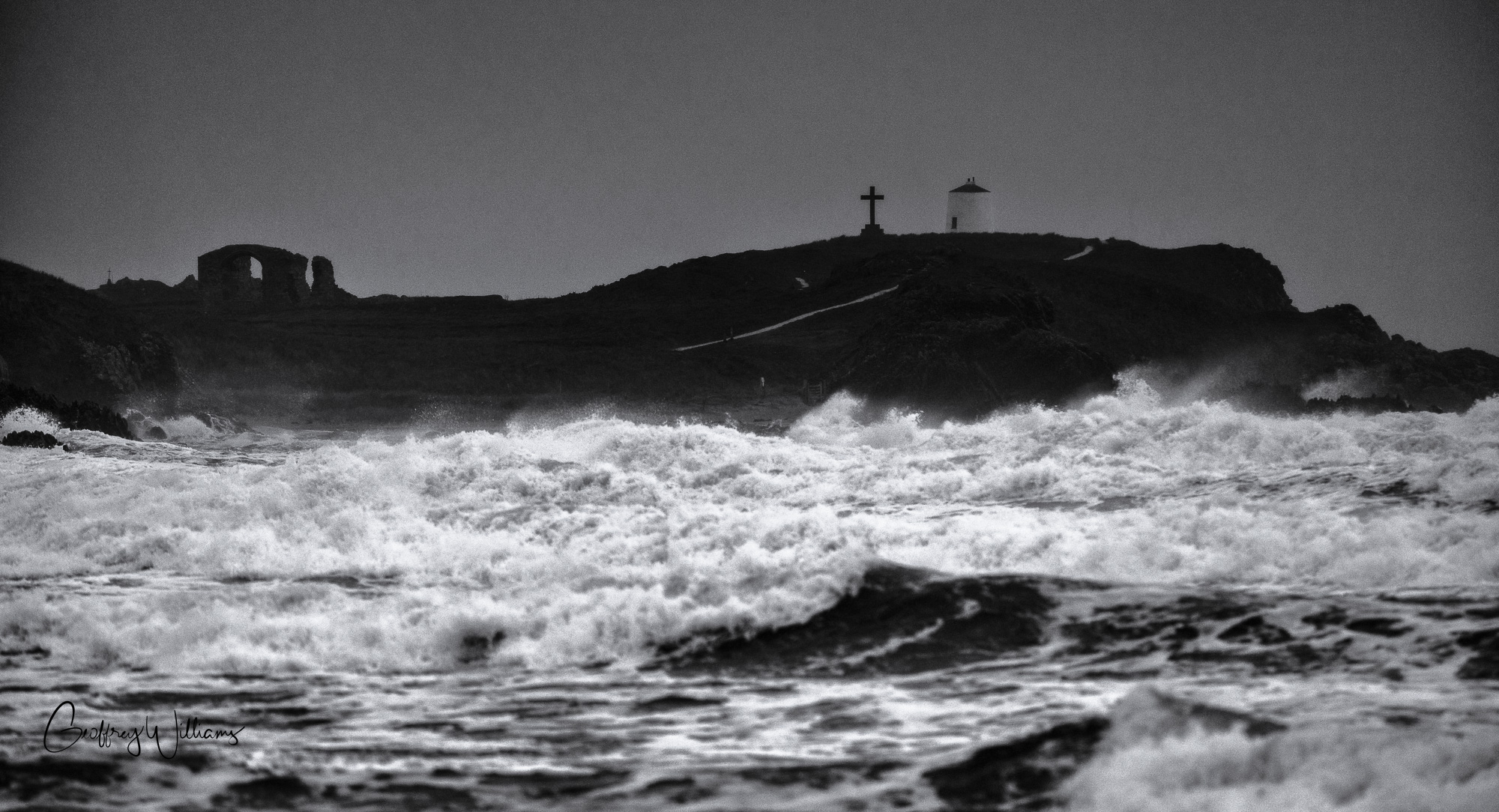
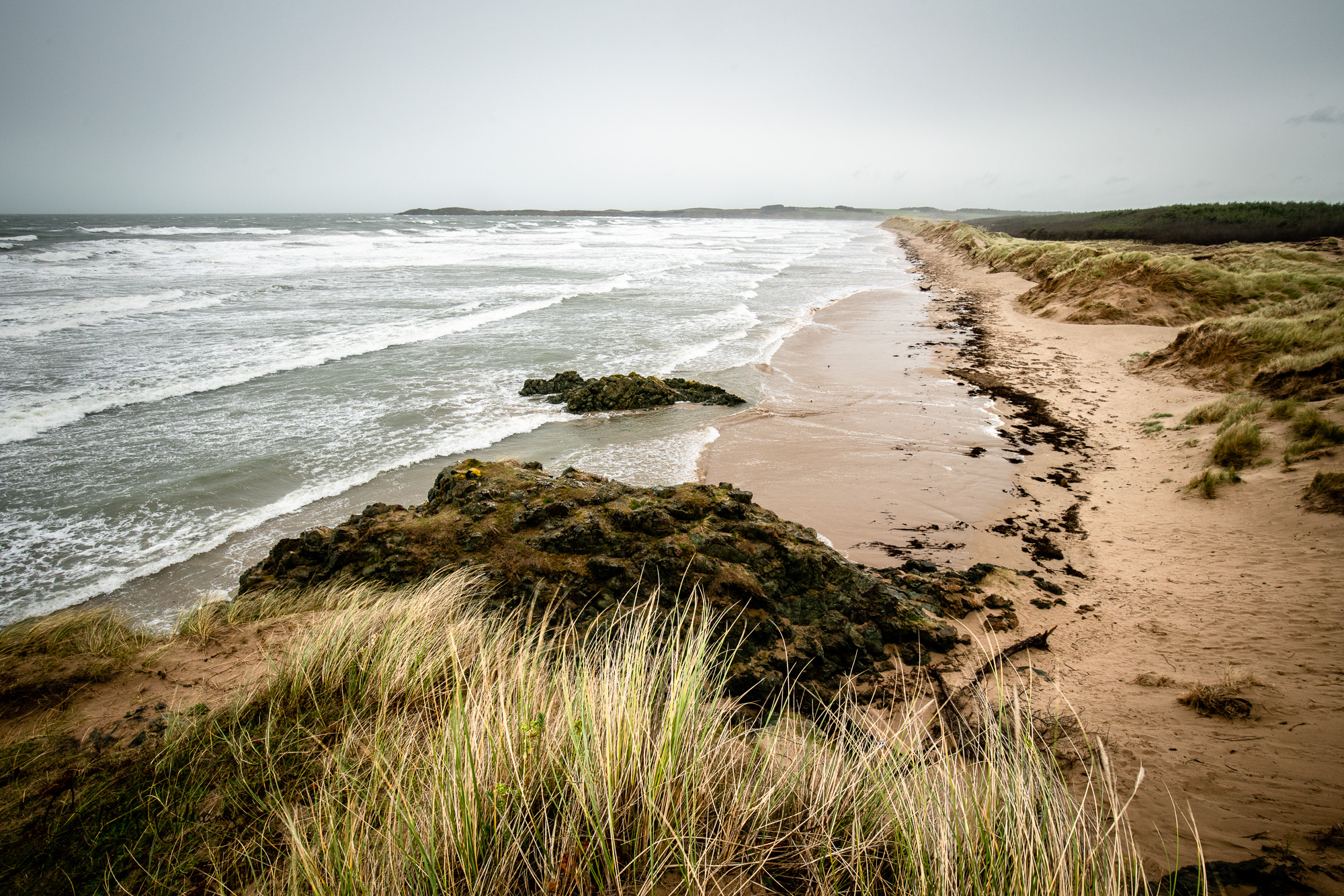

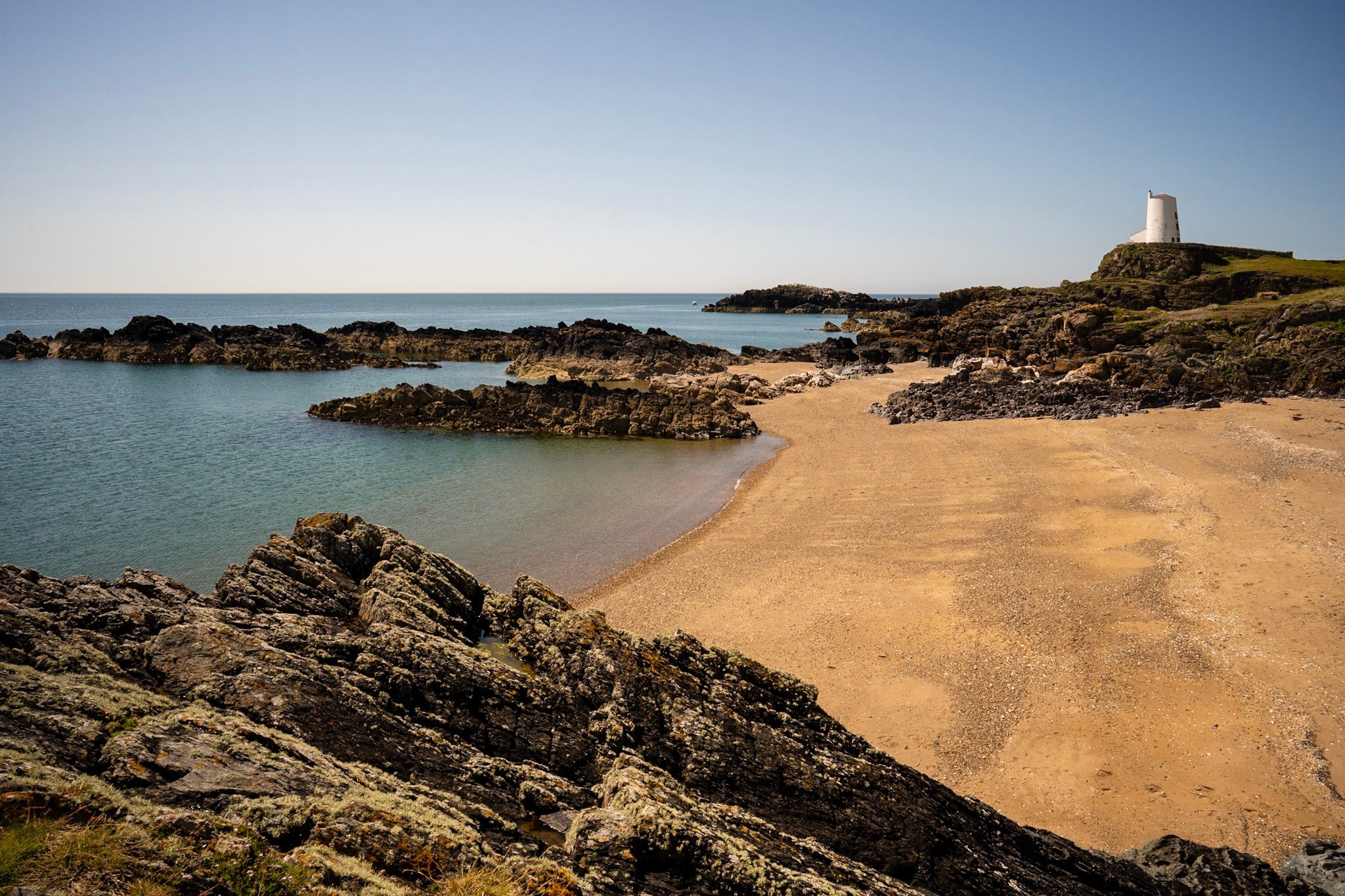



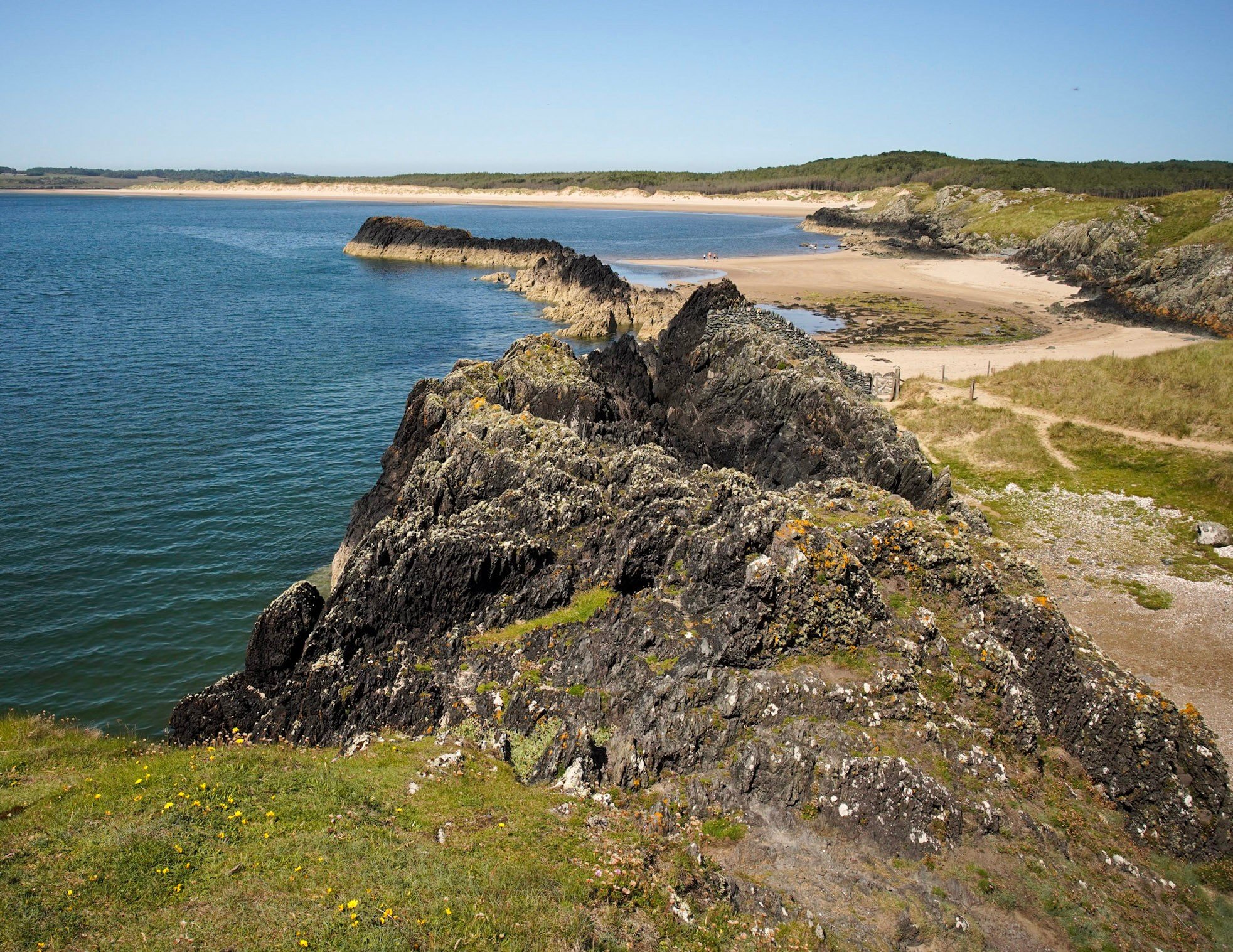
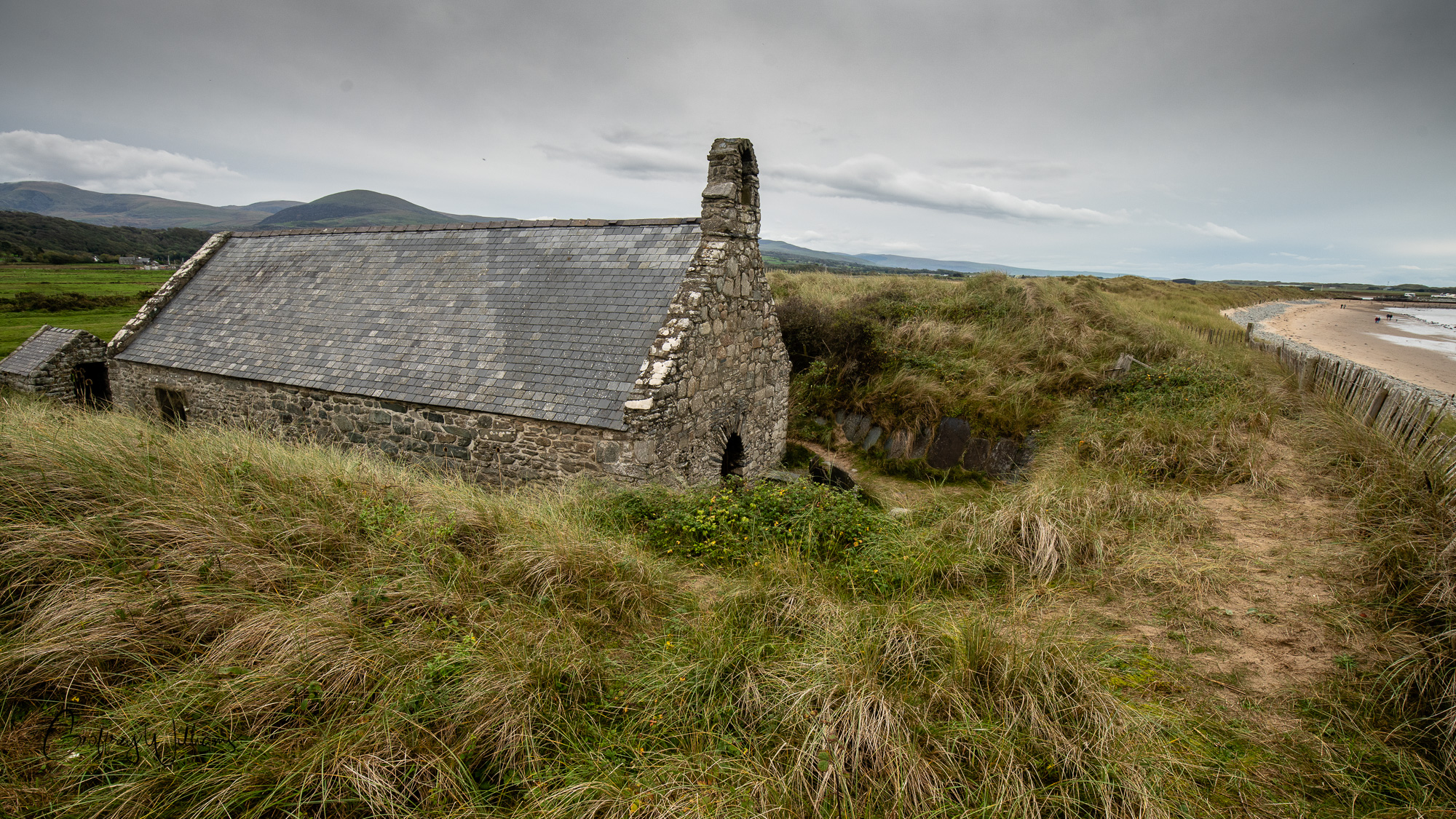
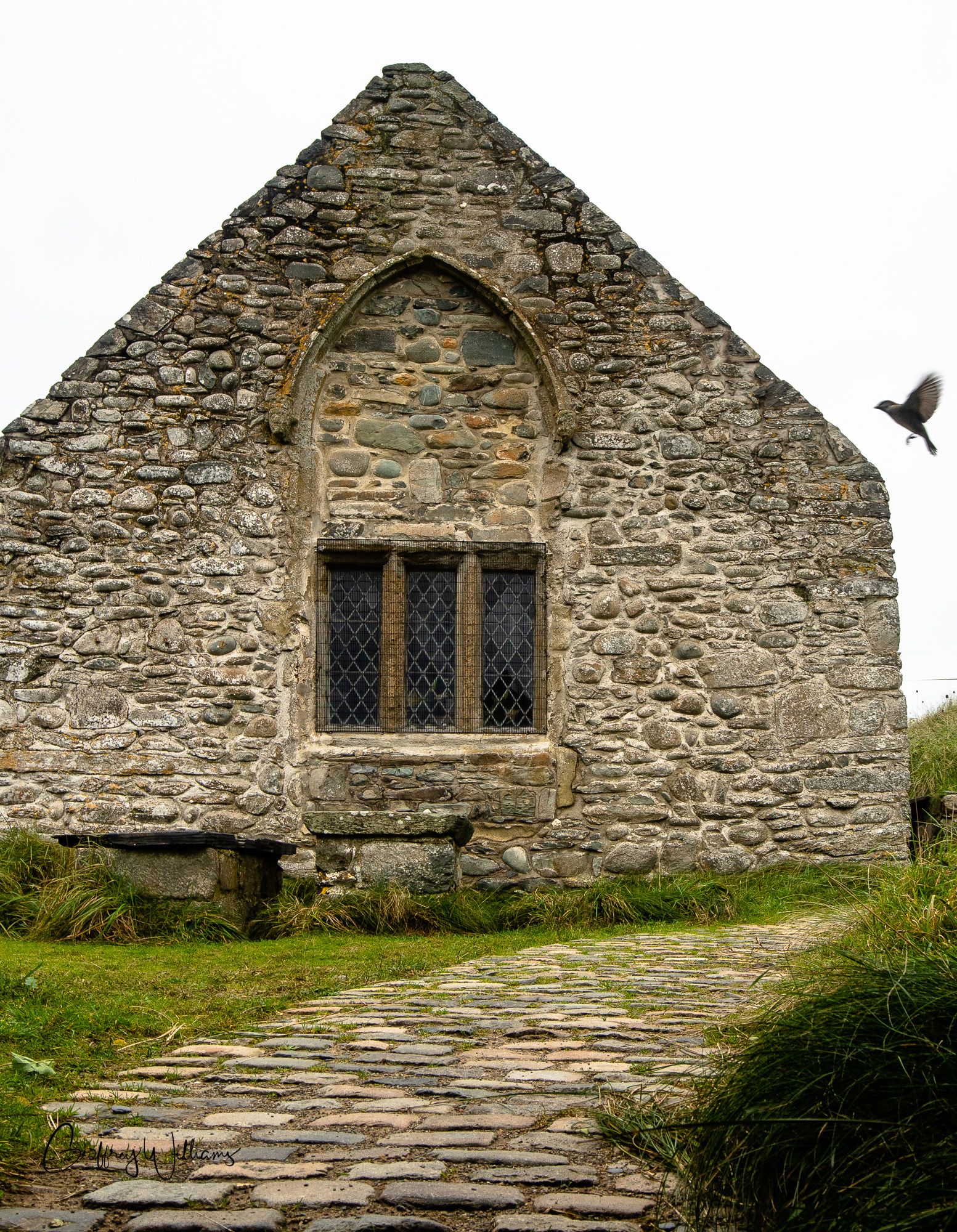
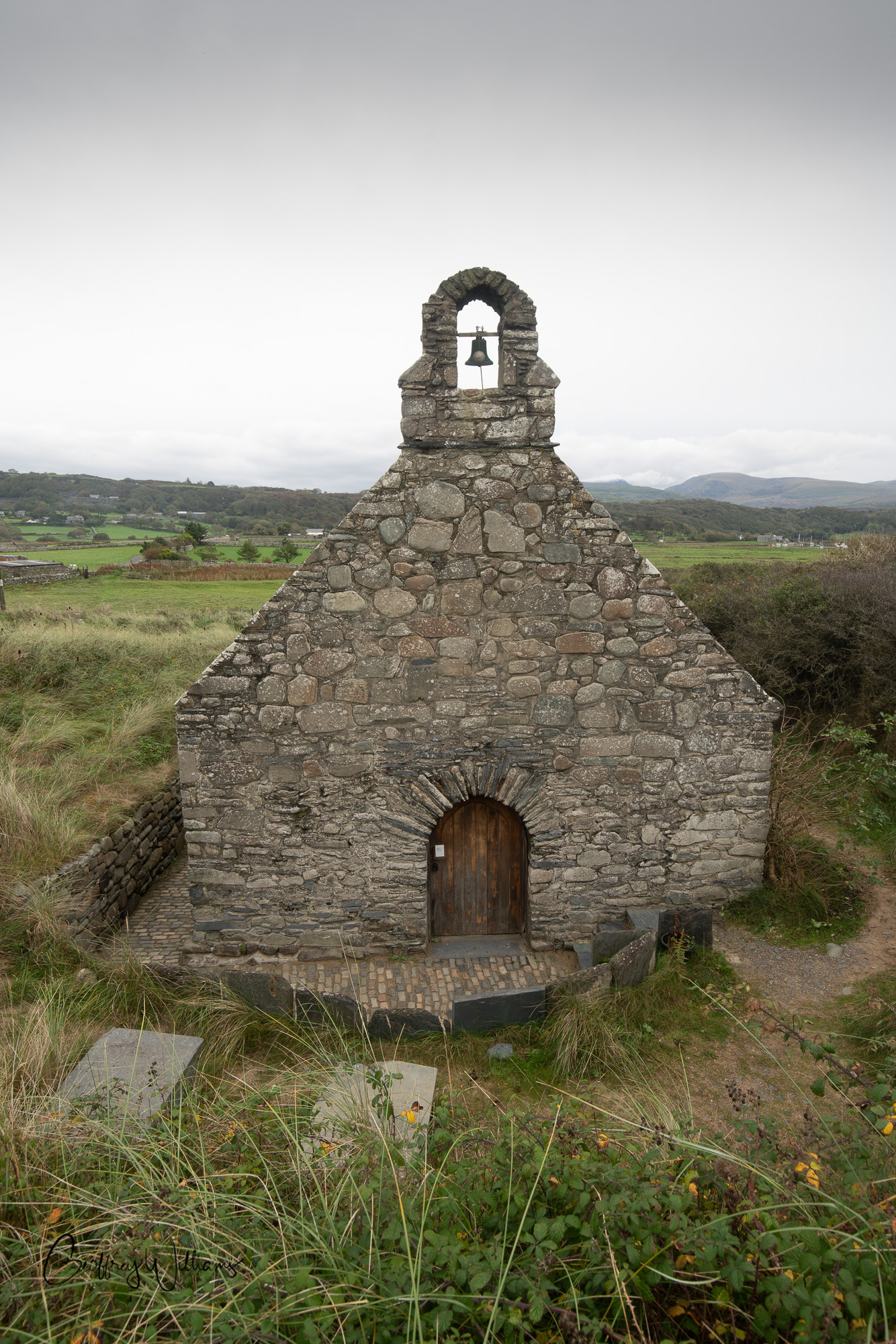





 The castle is famously associated with Princess Sen.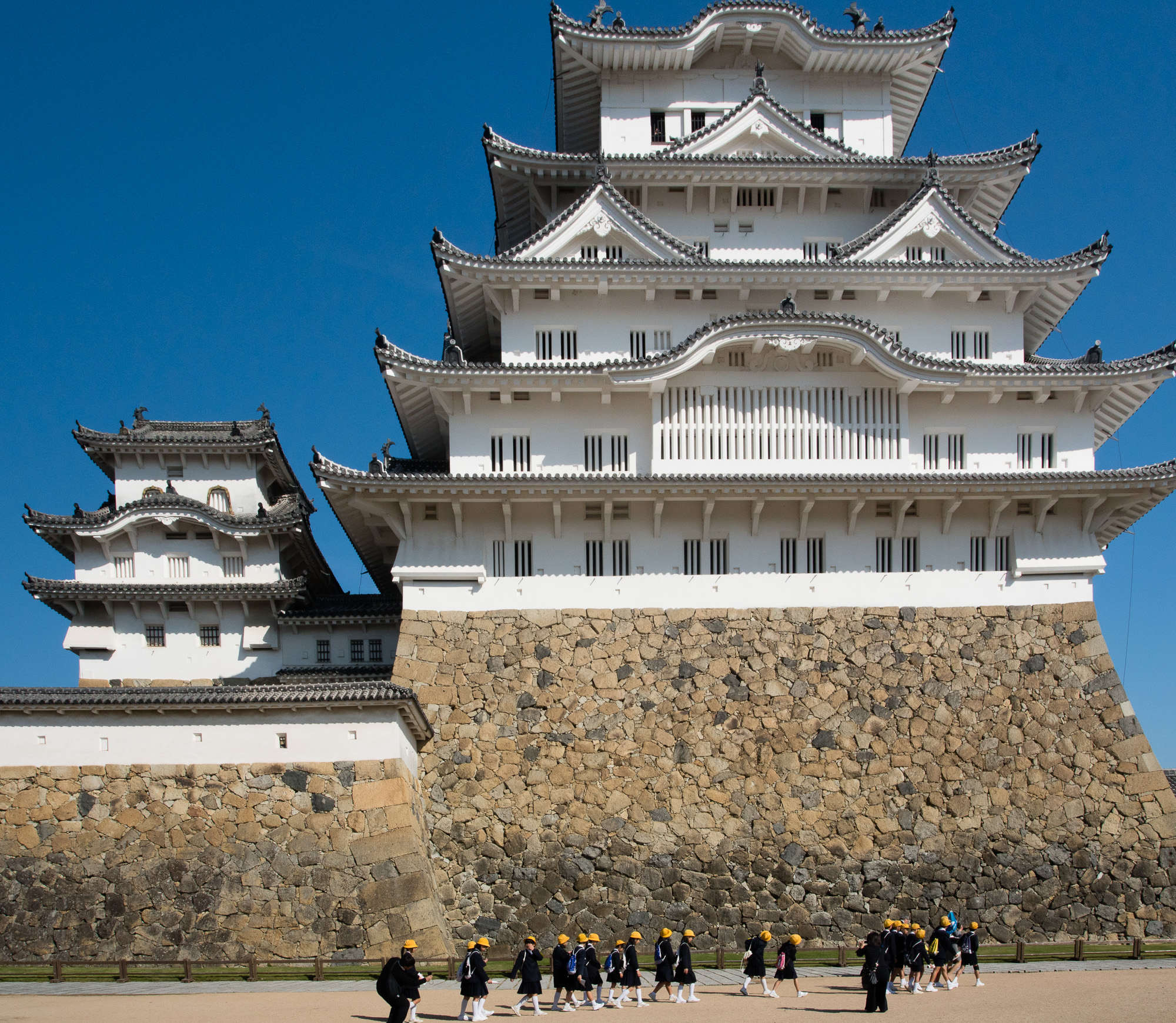






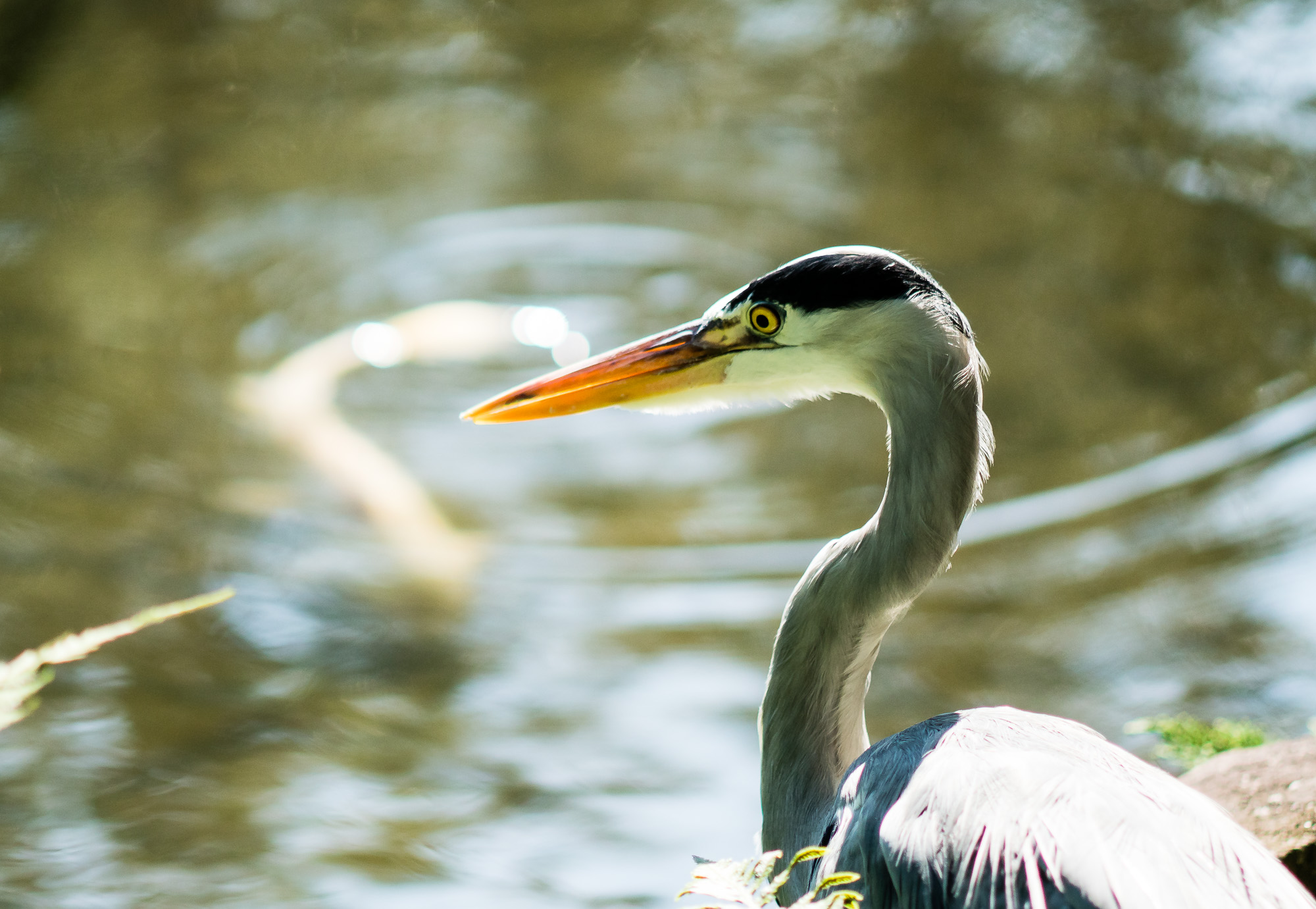 Plenty of fish to choose for lunch, but the heron didn’t feed – must have had a big breakfast.















































 Geoff's travel blog.